
Understanding the Effects of Credit
How the money you borrow today quietly shapes your tomorrow
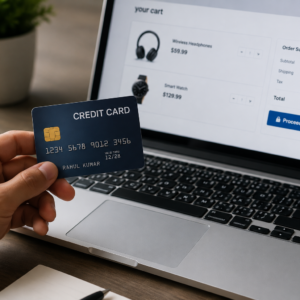
Here’s a scene that probably sounds familiar. You get your first credit card — maybe your parents co-signed it, maybe your bank just offered you one because you opened a savings account. You feel like an adult. You swipe it a few times, pay the minimum due, and move on with your life.
And that’s exactly where most people’s credit story quietly goes wrong.
Nobody sits you down and explains what credit actually *does* to your finances — not the marketing version, the real one. So let’s talk about it properly.
What Credit Really Is
At its core, credit is just borrowed trust. A bank looks at your history and decides how much they’re willing to lend you before you’ve proven you can pay it back. Every credit card, personal loan, EMI, and even that “buy now, pay later” option on shopping apps — it’s all credit.
The catch? Every time you use it, you’re writing a small entry into a permanent record called your **credit score**. And that score follows you around for years, quietly deciding things you might not expect.
The Effects Nobody Warns You About
1. It decides how much you’ll pay for money later.
A good credit score doesn’t just get you approved for loans — it gets you approved at *lower interest rates*. Two people can take the exact same home loan, and the one with better credit might end up paying lakhs less over the years, just because a number on a report was higher.
2. It affects things that have nothing to do with loans.
Some employers check credit history during hiring for finance-related roles. Landlords sometimes check it before renting out a flat. Even certain visa applications look at your financial responsibility. Credit isn’t just about borrowing — it’s treated as a proxy for how reliable you are.
3. Missed payments stick around longer than you’d think.
One missed credit card payment doesn’t just cost you a late fee. It can sit on your credit report for years, dragging your score down every time a bank looks at it — long after you’ve forgotten it ever happened.
4. It can trap you in a cycle.
This is the part that hurts students the most. Paying only the “minimum due” on a credit card feels responsible, but the leftover balance gets hit with high interest — often 30-40% annually. What starts as a ₹5,000 shopping spree can quietly balloon if you’re not paying attention.
The Flip Side — Credit Isn’t the Enemy
Used well, credit is genuinely useful. It’s what lets you buy a laptop for your internship without draining your savings, or handle an emergency without borrowing from ten different people. The goal isn’t to avoid credit — it’s to understand it before it starts making decisions for you.
A few habits that actually make a difference:
– Pay your full bill, not just the minimum due
– Keep your credit usage below 30% of your limit
– Never miss a due date — set reminders if you have to
– Check your credit report at least once a year for errors
The Real Takeaway
Credit isn’t good or bad — it’s just a tool. But it’s one of the few financial tools that keeps score even when you’re not paying attention. The habits you build with your first credit card at 20 often shape the interest rates you’ll pay on a home loan at 30.
So the next time you tap that card, remember — you’re not just buying something today. You’re writing a little bit of your financial future too.
Got questions about credit scores or how to build one from scratch? Drop them in the comments — we might turn it into our next guide.
Pingback: 10 Financial Mistakes to Avoid for Better Money Management